

Traditional Chinese Medicine (TCM) for the Body and Everyday Life
Understanding Symptoms and Providing Targeted Support in Everyday Life
Are you looking for personalized TCM support for physical ailments, pain, or persistent fatigue? At my practice in Stans, I consider your concerns in the context of your daily life, your lifestyle, and any previous medical evaluations.
As a certified practitioner of Chinese medicine, I combine TCM expertise with personalized and down-to-earth care. Together, we’ll discuss what’s weighing on you, which approach might be best suited to your situation, and what realistic next steps are for you.
TCM is a traditional and complementary medical system. It is not a substitute for necessary medical examinations or treatments. Existing diagnoses, medications, and therapies will be taken into account during our consultation.
Issues Where TCM Can Help You
The following areas of TCM highlight the issues people commonly bring to the practice. A particular concern may affect multiple areas of your life. During a personal consultation, we’ll determine which TCM approach and further assessment are best suited to your situation.
-
Musculoskeletal System, Back Pain, and Joints
Back pain, neck stiffness, joint pain, osteoarthritis, or limited mobility can make everyday movements difficult. Climbing stairs, sleeping, exercising, or sitting for long periods of time may then feel different than they used to.
During the TCM assessment, I’ll evaluate your physical condition, the progression of your symptoms, and the stresses of your daily life.
- Possible concerns: back pain, neck tension, joint pain, osteoarthritis, limited mobility, and symptoms following injuries.
- Possible methods: Acupuncture, Tuina, Qi Gong, as well as practical tips for movement and recovery in your daily life.
- For you: You’ll receive body-centered support that takes into account your current capacity and daily life. Together, we’ll determine which next steps are feasible for you.
-
Chronic pain and recurring symptoms
When pain persists for a long time or keeps coming back, it often affects sleep, mood, concentration, and mobility. Many people then seek a different perspective to better understand their situation and regain more freedom of action in their daily lives.
TCM takes into account the progression of your symptoms, your physical condition, your habits, and your stressors.
Focus: Pain progression, daily well-being, sleep quality, and limitations in daily life.
Key methods: A combination of acupuncture for nerve relaxation, pain-relieving herbal formulas, and gentle bodywork.
Your benefit: The goal of TCM treatment is to provide the impetus needed to break the cycle of pain, relieve strain on your body, and help you achieve greater well-being in your daily life.
Let’s work together to find a way for you to enjoy more ease and carefree days again.
-
Sports, Injuries, and Recovery
Training, competition, an injury, or surgery place special demands on the body. Questions often arise when you’re getting back into it, too: How much physical exertion is appropriate right now? How can you support your recovery? And how do you regain confidence in your movement?
Through my experience working with athletes (including those in skiing, handball, volleyball, and Swiss wrestling), I have firsthand knowledge of the specific demands of sports, physical exertion, and recovery.
Possible topics: muscle tension, tendon irritation, slowed recovery, and returning to sports after sports injuries.
Focused methods: Sports acupuncture , intensive Tuina tissue techniques, and targeted nutritional strategies for tissue regeneration.
Benefits for you: Faster recovery times after physical exertion, a safer return to sports, and a significantly improved sense of well-being.
So you can pursue your athletic goals with renewed energy and without fear of setbacks.
-
Stress, psychosomatic symptoms, and inner tension
Persistent stress can manifest physically. You may experience persistent neck tension, shallower breathing, more restless sleep, or changes in your digestion. The feeling of being constantly exhausted or internally tense can also affect your quality of life.
During the TCM assessment, we consider stress, sleep, diet, exercise, and personal habits.
Topics of discussion: Physical pressure points, the nervous system, breathing patterns, and your daily energy drainers.
Focus on methods: Calming acupuncture points to reduce stress levels, balancing herbs, and breathing/Qi Gong techniques.
Benefits for you: Your autonomic nervous system finds calm, physical symptoms of stress subside, and you’ll feel more resilient and internally at peace again.
Create a safe space for yourself to take a deep breath and recharge your batteries for the long term.
-
Sleep disturbances, exhaustion, and lack of energy
Trouble falling asleep, frequent waking, or persistent fatigue rob you of rest and concentration. When you start the day already exhausted, work, family, exercise, and even simple tasks quickly become an added burden.
When addressing sleep problems, TCM considers factors such as your sleep rhythm, diet, daily stressors, digestion, and physical tension.
Focus: Sleep architecture, evening routines, nourishing the body, and energetic balance.
Key methods: Nourishing herbal therapy (herbs), gentle acupuncture in the evening, and warming dietary recommendations.
Your benefits: Gentle support aimed at harmonizing your sleep rhythm, promoting regeneration, and counteracting constant fatigue.
Rediscover your natural sleep rhythm and start each morning feeling refreshed and energized.
-
Digestion and Nutrition
Gas, bloating, irregular digestion, or food intolerances can affect your well-being and how you plan your day. At the same time, many people want to improve their diet without feeling pressured by strict rules or constant restrictions.
A TCM nutritional consultation based on the Five Elements takes into account your eating habits, your daily routine, the season, and how you prepare your meals.
Focus: Digestibility , gut health, energy extraction from food, and abdominal comfort.
Key methods: 5-Element nutritional counseling (warm meals, spices) combined with acupuncture for the digestive organs.
Your benefits: Clear recommendations and guidance aimed at soothing your gut, easing digestion, and preventing feelings of fullness.
Learn to understand what truly strengthens your gut—for greater well-being with every meal.
-
Skin, Allergies, and Seasonal Ailments
Skin reactions, atopic dermatitis, hay fever, or recurring seasonal symptoms can interfere with sleep, work, and leisure activities. Itching, irritation, or reduced performance often also take a toll on your mood and energy levels in everyday life.
TCM considers such issues in the context of your personal constitution, diet, stress, and immune system.
Focus: Skin condition, itching, immune system, reaction to environmental stimuli, and allergen exposure.
Key methods: Immune-regulating acupuncture, cooling/cleansing herbal formulas, and a personalized diet.
Your benefits: Targeted methods that gently support your immune system and can help noticeably soothe skin irritations or allergic reactions.
We’ll help restore balance to your immune system so you can feel completely comfortable in your own skin.
-
Inflammatory, rheumatic, and autoimmune conditions
Rheumatic or autoimmune diseases can be associated with pain, swelling, fatigue, and fluctuating symptoms. Such conditions require time, careful observation, and support that takes your personal situation seriously.
My specialized training in TCM focused on autoimmune diseases and psychosomatic disorders provides a solid foundation for my assessment.
Professional Background: Advanced training in TCM for autoimmune processes and chronic inflammatory patterns.
Focused Methods: Gentle , immunomodulatory acupuncture, personalized herbal therapy, and anti-inflammatory dietary principles.
Your Benefits: Honest and well-informed TCM support on an equal footing, with the goal of gently supporting your body during times of stress and promoting mobility as effectively as possible.
I’ll guide you with expertise and care on your journey toward greater stability and well-being.
-
Women's Health and Hormonal Life Stages
Menstrual symptoms, menopause, and changes related to pregnancy and childbirth can affect the body, sleep, mood, and daily life. During these phases of life, many women seek personalized support from someone who will listen attentively to their concerns.
TCM can help contextualize cycle-related symptoms and hormonal fluctuations through a trusting conversation.
Focus: Cycle regulation, pain relief, hot flashes, mood swings, and hormonal balance.
Key methods: Hormone-regulating acupuncture, specific herbal formulas for women, and warming moxibustion.
Your benefits: A cycle with fewer symptoms, noticeable relief from menopausal symptoms, and greater well-being in your own body.
Restore your hormonal balance naturally and experience a renewed sense of your femininity.
-
Children, Teens, and Families
Children and adolescents can also develop symptoms that put a strain on daily family life. These include, for example, digestive problems, skin rashes, food intolerances, bedwetting, or care following injuries.
In TCM care for children, age, developmental stage, medical history, and previous diagnostic findings are carefully taken into account.
Focus: Gentle pediatric care, the immune system, sleep, and supporting digestion during growth.
Key methods: Pain-free techniques (e.g., seed grains applied to ear points, gentle Tuina tapping massages, tasty herbal teas).
Benefits for your family: Gentle relief for your child without the fear of needles—and a calmer, more relaxed daily life for the whole family.
Treat your family to gentle and effective support for healthy growth.
What is Traditional Chinese Medicine (TCM)?
Traditional Chinese Medicine is a distinct traditional system that considers ailments in relation to the body, lifestyle, and life circumstances. It is not merely about where a symptom is felt. Sleep, diet, exercise, digestion, stress, habits, and the progression of a condition can also provide important clues.
TCM operates within its own theoretical and diagnostic framework. This framework has evolved over many centuries and employs concepts such as qi, yin and yang, the liver, and the stomach, as well as terms that do not translate directly into Western medical terminology. It helps to relate observations, symptoms, bodily functions, constitutional aspects, and environmental and living conditions to one another, organize them, and identify connections.
TCM Methods in My Practice
The five TCM methods offer different approaches to addressing your concerns. Which one is appropriate depends on your situation, the TCM diagnosis, and your daily routine. The methods can be used individually or in combination. I’ll explain what I believe to be the most appropriate approach from a professional standpoint and why. You’ll be part of the decision-making process.
-
Acupuncture
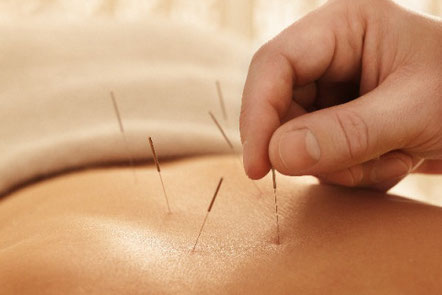
In acupuncture, I insert very fine needles into specific points. In the traditional TCM model, these points are associated with meridians and the flow of qi, or life energy. The selection and combination of points depends on your specific concerns and the TCM assessment.
- Possible issues: pain, tension, musculoskeletal complaints, sleep problems, stress, migraines, seasonal ailments, and other concerns discussed on an individual basis.
- Procedure: After the consultation and assessment, I gently insert the needles. The rest period typically lasts at least 30 minutes. I’ll stay with you during this time. This is followed by a brief follow-up discussion.
- For you: You’ll receive a personalized treatment and ample time for rest and observation. I’ve honed my needling technique over an extended period and further refined it during a three-month clinical internship in Hanoi in 2012.
If you’re afraid of needles or injections, depending on the situation, we can explore the option of ear acupressure using small seeds.
-
Tuina Massage & Bodywork
Tuina is a traditional Chinese massage and bodywork technique. Depending on your needs, I use pressure, rubbing, kneading, stretching, mobilization, or tapping. The treatment is tailored to your physical condition and how you’re feeling that day.
- Possible concerns: Tension, back and neck pain, limited mobility, muscle strain, and issues related to movement and recovery.
- Process: Before the treatment,we’ll discuss where you need support and what level of intensity is right for you. You can provide feedback at any time during the treatment.
- For you: You’ll receive direct, body-oriented treatment and guidance on how to manage physical strain and movement more mindfully in your daily life.
-
Herbal Medicine & Phytotherapy
In herbal medicine, herbal preparations can be used as part of a personalized consultation. Which preparation and approach are appropriate depends on your specific concern, your personal situation, and the results of a professional evaluation.
- Possible preparations, if currently available: tea, granules, tinctures, ointments, or other herbal preparations.
- Process: During the consultation, your concerns, existing diagnoses, medications, other treatments, and special circumstances—such as pregnancy—will be taken into account. Based on this, a professional recommendation will be made, provided that herbal treatment is an option.
- For you: You’ll receive clear guidance regarding usage, tolerability, and any potential follow-up questions. If you’re taking medications, are pregnant, have a chronic condition, or have any concerns, it’s important to consult with a qualified healthcare professional.
-
Nutrition Based on the Five Elements
The Five Elements Diet is a nutritional approach rooted in Traditional Chinese Medicine. In this system, foods are assigned to the five phases of transformation—Wood, Fire, Earth, Metal, and Water—as well as to traditional qualities.
In my TCM consultations, I combine this traditional model with your eating habits, your daily routine, the season, and your personal goals. It’s not about rigid rules, restrictions, or a one-size-fits-all dietary plan.
- Possible topics: eating habits, digestion, daily life, meal preparation, seasonal eating, and the desire for more guidance regarding your diet.
- Process: We’ll look at your daily eating habits, which meals are practical for you, and what small changes might suit you.
- For you: You’ll receive practical tips, for example on hot meals, seasonal ingredients, and complementary spices. You decide for yourself which suggestions you’d like to try in your daily life.
-
Qi Gong
In my Qi Gong classes, I’ll teach you flowing, calm movements combined with specific postures, breathing exercises, and focused concentration. I offer instruction in one-on-one sessions as well as, upon request, in small, intimate groups (max. 4 people).
Suitable for: Those seeking greater body awareness, gentle strengthening, improved flexibility, mindful breathing exercises, or as an active complement to your TCM treatment.
How the sessions work: I tailor all exercises precisely to your physical capabilities—we perform them flexibly while standing, sitting, or lying down.
Benefits for You: You’ll learn simple, highly effective movement and breathing sequences that you can practice independently at home at any time. This empowers you to actively shape your own health and inner peace.
Activate your life energy on your own and incorporate a tool for serenity and stability into your daily life.
Fees and Important Information About Your TCM Treatment
Here you’ll find the most important information about treatment costs, potential coverage by your supplemental insurance, and rescheduling or canceling appointments.
-
Costs of TCM Treatment
A treatment session lasts 60 minutes and costs CHF 150. The first session usually lasts about 90 minutes due to the in-depth consultation and assessment.
The number of treatments recommended depends on your concerns, your personal situation, and how things progress. We’ll discuss the next steps together. There’s no set number of sessions. Please allow enough time before and after your appointment so that the treatment can take place in a relaxed atmosphere.
You can find more information about appointments and prices here.
-
Health Insurance Provider and ZSR Number
My TCM treatments are covered by most health insurance providers under their supplemental coverage for alternative medicine. Whether and to what extent your insurance will cover the costs depends on your insurance policy. Therefore, please check with your health insurance provider directly regarding cost coverage before your first appointment.
When doing so, provide my ZSR number B 146563 and ask about the following points:
- Recognition of Florian Truffer
- Cost coverage for alternative medicine
- Deductible and co-payment
- Annual limit
- Required registration or ZSR number
If treatment costs are currently a challenge for you, please feel free to talk to me about it. Together, we’ll see if we can find a workable solution.
-
Schedule Changes and Cancellations
If you are unable to keep an appointment, please notify us by phone or email at least 24 hours in advance. If you cancel later than that or fail to show up, you will be charged the full cost of the appointment.
My ZSR number for your health insurance provider
Florian Truffer; ZSR number: B 146563
The TCM Treatment Process
Consultation and Assessment
The first session lasts about 90 minutes. We’ll discuss your concerns, your medical history, and your current life situation. Targeted questions, along with pulse and tongue diagnosis, will help establish your medical history. Any existing medical reports, lab results, or X-rays are very helpful. Please send them to me in advance via email or bring a copy with you to the first session.
Recommendation and Treatment
I’ll explain which method or combination of methods I believe is clinically appropriate and why. You’ll be part of the decision-making process. Treatment begins only after you’ve given your consent and will be tailored to your physical condition.
Further Course of Treatment
Subsequent sessions typically last 60 minutes. Depending on your concerns, treatments may include acupuncture, Tuina, herbal medicine, nutrition based on the Five Elements, or Qigong. The course of treatment will determine which next steps are appropriate.
TCM treatments take place on-site in Stans. I do not offer online consultations. The practice is wheelchair accessible.
Schedule a free introductory consultation
During a free, no-obligation introductory phone call, we’ll discuss your current concerns and your expectations. This way, we can work together to figure out how I can best support you—with absolutely no obligation.
Preparing for Your Appointment
You don’t need any specialized knowledge, and you don’t need to do any special preparation. The following documents may be helpful for the preliminary consultation:
- a brief description of your main concern
- a list of your current medications and treatments
- Any existing medical reports, lab results, or X-rays
- Information about previous evaluations
- Your questions and observations from daily life
For acupuncture, it’s best to have an empty stomach. Comfortable clothing is recommended for Tuina and Qi Gong. It may be helpful to rest for a while after the treatment.


My TCM Practice in Stans
At my TCM practice at Aemättlihof 105 in Stans, I’ll guide you through your treatment in a peaceful atmosphere. The practice is located behind Getränke Lussi, in the same building as a family doctor’s office and a dentist’s office. It is wheelchair-accessible, easily accessible by public transportation, and has free visitor parking directly in front of the building.
My TCM Support for You
My training and personal history shape how I support people through TCM. Osteoarthritis and arthritis in my knees, as well as five fractured vertebrae, confronted me with physical limitations at an early age. The idea of ending up in a wheelchair felt very real back then. Today, I’ve been working as a TCM therapist since 2013. I completed my training as a certified naturopath in Chinese medicine at the Lucerne School of Naturopathy.
I combine expertise with intuition and enjoy adapting to new and complex issues. For you, this means personalized TCM care where your situation isn’t assessed according to a fixed formula. We’ll discuss what’s important to you right now, what steps are realistic, and how you can integrate them into your daily life. You can find out more about my professional background and experience here.
The Model of Traditional Chinese Medicine
For your treatment, this TCM model means that together we’ll take a closer look at the factors that may be influencing your condition. Based on your descriptions, my observations, and the traditional diagnostic assessment, I’ll develop a personalized evaluation. From there, I’ll determine which method and which practical, everyday recommendations might be right for you.
| Term | Meaning in the Traditional TCM Model |
| Qi | Qi is often translated as “life energy.” In the traditional understanding, it refers to the force that keeps physical and mental processes in motion. The term does not denote a single measurable physiological parameter. |
| Yin and Yang | Yin and Yang represent two opposing yet interdependent qualities. Rest and activity, warmth and cold, or inner and outer are viewed as interacting aspects. In this model, balance is always in flux. |
| Meridians | Meridians are traditional pathways associated with the flow of Qi. They are not to be equated with blood vessels or nerves. The concept of meridians forms the basis for selecting specific acupuncture points. |
| Five Phases of Transformation | Wood, Fire, Earth, Metal, and Water describe various qualities and phases of change. They serve as a classificatory system for examining relationships between nature, the seasons, life situations, and physical observations. |
Professional Responsibility and Collaboration
In my practice, TCM involves comprehensive care. Existing diagnoses, medications, therapies, and relevant test results are taken into account during our consultation. You should continue taking your medications as directed by your doctor. Never change or stop a medical treatment on your own. If an issue falls outside my area of expertise, I will refer you to a primary care physician, an appropriate specialist, or a hospital.
The Connection Between the Inner and the Outer
As a practitioner of Traditional Chinese Medicine and a consultant in Classical Feng Shui , I combine two disciplines that have been intertwined for millennia. I’m often asked exactly how TCM and Feng Shui are related and why I offer both methods.
The answer is simple: Both systems draw on the same energetic foundation to sustainably enhance your well-being. While we use TCM to restore your body’s inner balance, we use Feng Shui to create outer harmony in your living and working spaces. In this way, both approaches complement each other perfectly—for the holistic health of both people and their spaces.
TCM and Feng Shui: A Direct Comparison
Both disciplines draw on the traditional principles of Qi (life energy), Yin & Yang, and the Five Elements (Wood, Fire, Earth, Metal, Water). The difference lies in their points of focus:
| Category | Traditional Chinese Medicine (TCM) | Feng Shui |
| Focus | Your body, your health, and your lifestyle | Your spaces, buildings, and immediate surroundings |
| Objectives | Inner balance, relief from symptoms, and energetic strengthening | Creating outer harmony, functional spatial structures, and places of power |
| Approach | Pulse and tongue diagnosis, individualized assessment | Analysis of floor plans, cardinal directions, shapes, and materials |
| Methods | Acupuncture, Tuina massage, herbal medicine, Five Elements nutrition & Qi Gong | Consulting for residential and commercial spaces, new construction and renovations, as well as gardens |
Additional Perspectives
Health and well-being have many facets. If, in addition to the physical and spatial-energetic levels, you’d like to delve deeper into your personal development, mental clarity, or emotional issues, this is an ideal way to expand your journey. With Lara Mandioni, you have an experienced partner by your side. Her independent services in the areas of fear-of-heights coaching,energy work, and nature coaching offer you an inspiring opportunity to gain new momentum and build inner strength.
- Your added value: You benefit from a holistic network all under one roof—flexible, personalized, and precisely tailored to your needs.
- Full transparency: Each method stands on its own. Any recommendation or combination is always made in consultation with you—and only when it tangibly advances you on your personal journey.
Harness the synergies of two well-established approaches to bring your body, mind, and living environment into complete harmony.
Request TCM Treatment
Would you like to discuss your situation? Contact me for an initial assessment and to discuss the next steps.
-
Does health insurance cover the cost of TCM treatment?
Generally speaking, yes, provided you have the appropriate supplemental insurance for alternative medicine. As a qualified TCM therapist, I am recognized by the major Swiss registries (e.g., EMR / ASCA / EGK).
Individual Coverage: The exact extent of coverage depends on your personal insurance policy.
Direct Billing: After your treatments, you’ll receive a detailed reimbursement form (Tariff 590) to submit to your health insurance provider.
Tip: Before your first appointment, check with your supplemental insurance provider to confirm your exact coverage.
Florian Truffer; ZSR number: B 146563
-
How many TCM treatments are needed before an improvement is noticeable?
The number of sessions that are appropriate depends largely on the individual’s specific concerns and the course of treatment. With acute issues, initial changes can often be observed after just a few sessions. With chronic conditions or symptoms that have persisted for years, the body usually needs a little more time to adjust. After about 4 to 6 sessions, we’ll take stock of our progress together.
Initial Assessment: After about 4 to 6 sessions, we’ll take stock and evaluate your progress.
Long-Term Goal: The goal isn’t just short-term symptom relief, but to bring your body into a stable, long-term balance.
We’ll discuss your personalized treatment plan openly during your first appointment in Stans.
-
Does acupuncture hurt, and what happens if you're afraid of needles?
Most people find acupuncture to be very gentle and well-tolerated. I use extremely fine, disposable specialty needles. Often, when the needle is inserted, patients feel only a slight, pleasant sensation of warmth or a tingling sensation (known as the “De-Qi” sensation). If you have any concerns, we can adjust the procedure at any time or use needle-free alternatives.
Gentle Approach: I proceed with the utmost sensitivity and tailor the pace entirely to your comfort.
Gentle Alternatives: If you have a strong fear of needles, we’ll use completely needle-free methods—for example, laser or ear acupressure, warming moxibustion, or Tuina massage.
You remain in full control throughout the entire treatment and can sit back and relax.
-
What does pulse and tongue diagnosis mean in TCM?
Pulse and tongue diagnosis is a key diagnostic tool in TCM for accurately assessing your body’s current energetic state. By observing the shape and coating of your tongue, as well as the quality of your pulse, I gain valuable insights into internal imbalances before they become entrenched as chronic symptoms.
Tongue Diagnosis: The color, shape, and coating of your tongue reflect the condition of your organs and your metabolism.
Pulse diagnosis: By feeling your pulse at various points on your wrist, I assess the dynamics of your energy flow (Qi).
Holistic Assessment: The findings are never considered in isolation but are always linked to the symptoms you’ve described and your daily life.
This sensitive diagnostic approach forms the foundation for your personalized TCM treatment plan.
-
Can I choose a specific TCM method myself?
Yes, your wishes and preferences are always taken into account during our initial consultation. We’ll decide together—based on your personal assessment and comfort level—whether to use acupuncture, Tuina massage, or herbal medicine.
Transparent consultation: After the initial assessment, I’ll explain in clear terms which method is most likely to benefit your specific concern.
Your decision: Treatment doesn’t begin until you feel completely comfortable and confident with the approach.
Flexibility: If, for example, you’re afraid of needles, we’ll happily switch to pain-free alternatives such as moxibustion, Tuina, or ear acupressure.
Let’s have a casual discussion during our first consultation to determine which approach is most comfortable for you.
-
Is it possible to receive a single TCM treatment?
Yes, a single TCM session or an initial consultation is always possible and a good way for you to get a sense of how I work. However, for lasting relief from chronic or deep-seated symptoms, ongoing care is usually recommended.
First Appointment: This serves to conduct a thorough assessment, provide initial guidance, and offer a clear evaluation of your concerns.
Flexible Approach: After each session, you decide for yourself—with no obligation—how you’d like to proceed with treatment.
Support throughout the process: For acute issues, just a few sessions are often sufficient, while long-standing conditions require a gradual approach to allow for healing.
Together, we’ll find a rhythm that integrates seamlessly and stress-free into your daily life.
-
What is important to keep in mind when combining TCM with conventional medicine/medications?
Your safety is our top priority: TCM treatment can be combined very well with conventional medicine, provided that all medications you are taking and any pre-existing conditions are clearly documented. I will never change or discontinue conventional medications on my own initiative.
Complete Overview: During the initial consultation, we’ll document all medications, dietary supplements, and ongoing treatments.
Safe herbal medicine: When prescribing herbal remedies, I strictly monitor for interactions with your medications.
Interdisciplinary Collaboration: If there are any uncertainties, I’ll consult directly with your primary care physician or specialist upon request.
Just bring your current medical records or medication lists with you to your first appointment—no need to stress.
-
Can TCM complement physical therapy or sports medicine treatment?
Yes, Traditional Chinese Medicine is an ideal complement to physical therapy, osteopathy, or sports medicine rehabilitation. This combination can often significantly speed up the healing process following injuries or surgeries.
Targeted Synergies: While physical therapy structurally strengthens ligaments, muscles, and joints, TCM improves tissue perfusion and alleviates pain.
Faster Recovery: Acupuncture and Tuina reduce tension in overworked muscle chains and stimulate metabolism.
Clear Roles: Medical and physical therapy management remain unaffected; TCM acts as an accelerating catalyst.
Please feel free to share your previous rehabilitation plans and medical findings with me so that we can provide you with the best possible support for your recovery.
-
What happens if my concern doesn't fit within the scope of TCM services?
If, during the initial assessment, it becomes clear that your concern needs to be addressed from a conventional medical perspective, I will communicate this to you openly and directly. Your health is my top priority.
Clear Distinction: Emergencies, acute infections, or serious organic pathologies primarily fall under the purview of conventional medicine.
Reliable Network: If necessary, I’ll recommend that you seek evaluation at a primary care practice, with specialists, or at a hospital.
Supportive Role: Once medical safety is ensured, TCM can often be brought back in to provide support.
With me, you’ll always receive an honest and professionally sound assessment of your situation.
-
How is it determined whether herbal medicine (phytotherapy) is right for me?
I decide whether Chinese or European medicines are appropriate based on your TCM diagnosis, your constitution, and your ability to cope with daily stress. Herbal formulas work deeply from within and are especially valuable when the body lacks substance or energy.
Highest Swiss quality: I source all medicinal plants from specialized Swiss pharmacies (tested for heavy metals and pesticides).
Custom Blends: You’ll receive a formula tailored precisely to your symptoms, available as granules, tea, or a decoction.
Ongoing Adjustments: If your symptoms change as you heal, I’ll flexibly adjust the composition.
I’ll explain the dosage, effects, and duration of your herbal formula to you step by step in detail.
-
How can I request TCM treatment or schedule an appointment?
You can easily contact me by email to schedule an appointment or request an initial consultation.
Brief description: In your inquiry, please briefly describe your concern and whether any preliminary assessments have already been conducted.
Prices & Details: You’ll find all current information on rates, treatment times, and practice locations clearly listed under the “Prices and Appointments” section.
I look forward to welcoming you in person at my practice and supporting you on your journey.